

When you get a cut, scrape, or injury, one of your first thoughts is likely: How can I heal this wound fast? Proper wound care is essential not only for faster recovery but also to prevent infection and scarring.
In this article, we’ll guide you step by step—from first aid basics to advanced wound care tips, as well as nutrition and lifestyle changes that help your body repair itself more efficiently.
Part 1: First Aid – The First Step in Healing
1. Wash your hands before touching the wound
Clean hands reduce the risk of introducing bacteria. Use soap and water for at least 20 seconds, or use hand sanitizer if water isn’t available.
2. Clean the wound properly
Rinse the wound gently under clean running water to remove dirt or debris. Use mild soap only on the surrounding skin. Avoid harsh solutions like alcohol or hydrogen peroxide, which can damage healthy tissue.
3. Stop the bleeding
For minor cuts, bleeding usually stops on its own. For deeper wounds, apply gentle pressure with a clean cloth or sterile gauze until bleeding stops. Keep the wound elevated if necessary.
⚠️ Seek medical attention if bleeding doesn’t stop after 20 minutes or if the wound is very deep.
4. Remove debris carefully
If small particles remain, use sterilized tweezers to gently lift them out. Avoid pushing debris further into the wound. If you cannot remove it, see a doctor.
5. Apply a protective layer
A thin layer of antibiotic ointment, petroleum jelly, or medical honey helps keep the wound moist, which speeds healing and reduces scarring.
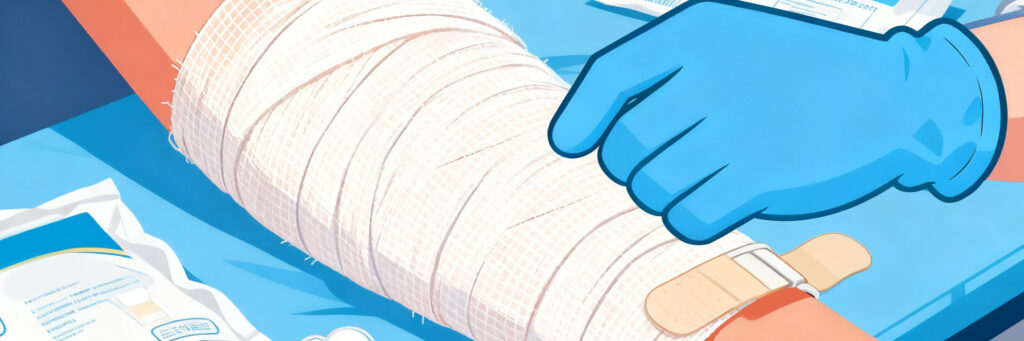
6. Cover with a wound dressing
Use a sterile bandage, adhesive dressing, or nonstick gauze pad, like Conko to protect the wound. Keeping wounds covered prevents dirt, bacteria, and friction from interfering with healing.
Part 2: Daily Wound Care for Faster Healing
1. Change dressings regularly
Replace wound dressings at least once a day, or whenever they become wet or dirty. Quick changes help maintain a moist, warm environment that promotes healing.

2. Keep the wound covered
Contrary to popular belief, “airing out” wounds slows healing and increases infection risk. A moist wound environment heals up to 40% faster than an exposed one.
3. Don’t scratch or pick scabs
Scratching can reopen the wound and delay healing. To ease itching, apply fragrance-free lotion around the wound or use a cold compress.

4. Watch for signs of infection
Seek medical advice if you notice:
- Increasing redness, swelling, or warmth
- Pus or foul odor
- Fever or swollen lymph nodes
- A wound that doesn’t improve after 1–2 weeks

Part 3: Supporting Healing with Healthy Habits
Healing isn’t just about wound dressings—your body also needs the right nutrients, hydration, and rest.
1. Eat enough protein
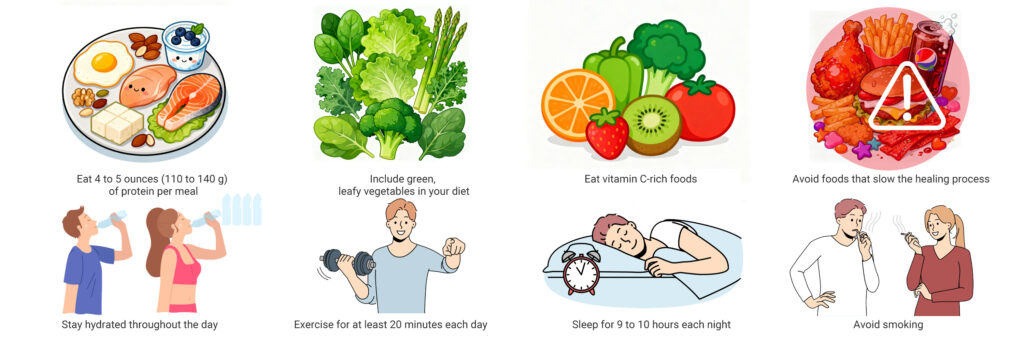
Protein is essential for tissue repair. Include lean sources like chicken, eggs, beans, or fish in every meal.
2. Add leafy greens and vitamin C-rich foods
Spinach, broccoli, kale, and citrus fruits supply vitamins that boost collagen production and immune defense.
3. Stay hydrated
Drink enough water daily (around 3.7 L for men, 2.7 L for women). Hydration supports skin repair and prevents slow healing.
4. Avoid foods that slow healing
Limit sugary snacks, alcohol, and processed foods, which increase inflammation and delay recovery.
5. Exercise and rest
Light exercise improves blood circulation, while quality sleep (7–9 hours per night) allows your body to repair damaged cells.
6. Don’t smoke
Smoking restricts blood flow, making it harder for wounds to heal. If you want faster recovery, avoid tobacco products.
Final Thoughts
Knowing how to heal a wound fast comes down to three pillars:
- Proper first aid immediately after injury
- Consistent wound care with clean dressings and protection
- Healthy lifestyle choices that fuel your body’s natural healing process
By following these steps, you can support your body’s ability to recover quickly, reduce infection risks, and minimize scarring.
📌 Pro Tip for Patients & Caregivers: Using advanced wound dressings such as Foam Dressings, Hydrocolloid Dressings, or Silver Alginate Dressing can further speed up recovery while providing extra protection.