
Why care is moving to the home and outpatient setting — deeper look
The shift from hospital-based to home and outpatient wound management is driven by multiple, interconnected factors — demographic, economic, clinical, and technological:
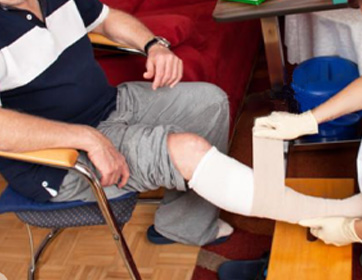
Aging populations and multimorbidity. Older adults experience higher rates of chronic wounds, such as pressure injuries and venous ulcers, and many reside at home or in long-term care rather than acute hospitals. Their wounds often require repeated, long-term dressing changes, which are challenging to deliver exclusively in inpatient settings.
Rising prevalence of diabetes and mobility limitations. Diabetic foot ulcers remain a major contributor to chronic wounds worldwide. These patients often need ongoing wound management and frequent dressing changes, which are most efficiently provided in home or outpatient settings.
Health system capacity and cost pressures. Expanding outpatient and home-based care reduces hospital bed occupancy and overall treatment costs. Health systems increasingly reimburse community nursing and telehealth follow-ups, creating a structural pathway for moving wound care out of the hospital.
Telemedicine and remote monitoring. Remote consultations allow clinicians to supervise wound healing and guide caregivers without in-person visits, reducing travel burden for patients while maintaining quality of care.
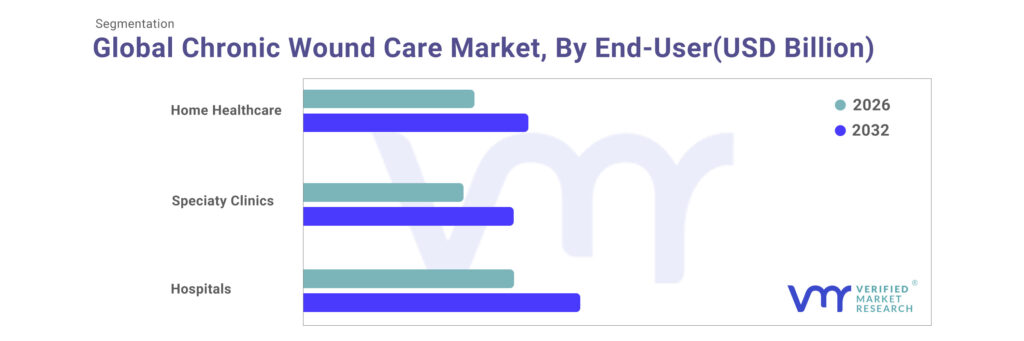
These combined factors help explain why the Global Chronic Wound Care Market is seeing growth in outpatient and home-care settings, as illustrated in the chart below (Global Chronic Wound Care Market, By End-User, USD Billion). While hospital-based care remains a major component of chronic wound management, an increasing number of patients are also choosing home or outpatient care for convenience, comfort, and ongoing management needs. The shift toward these settings reflects a structural change in modern healthcare, supported by patient demand, system pressures, and the availability of user-friendly, effective wound care products.
What “home-care suitability” requires from dressings
When clinicians and procurement teams evaluate dressings for home use, they are assessing different properties than in-hospital criteria. For product design and marketing, here are the practical, testable attributes that matter in a home-care setting:
A. Simplicity of application and removal
- Single-step or clearly guided multi-step application (labels, pictograms, or color cues).
- Low manual dexterity requirement — large tabs, resealable edges, pre-cut shapes reduce the need for precise folding or handling.
- Painless, low-trauma removal — silicone adhesives or atraumatic borders to protect fragile skin.
Why it matters: patients, family carers, and home nurses often lack the time or skills for complex dressings; simpler systems increase compliance and reduce errors.
B. Longer wear time with reliable exudate management
- High absorption capacity that forms a stable gel (for alginate/fiber) or traps exudate in foam layers so the dressing can remain in place for several days.
- Clear indicators for change — e.g., transparent windows or simple color-change indicators (where feasible) help non-clinical users know when to replace a dressing.
Why it matters: fewer dressing changes minimize care burden, lower infection risk from frequent handling, and reduce cost/consumable use.
C. Skin protection — adhesives and interface design
- Gentle adhesives (silicone or low-adhesive formulations) to avoid stripping fragile epidermis, especially in the elderly or steroid-exposed skin.
- Cushioning or low-shear surfaces to prevent friction and pressure at common sites (heels, sacrum).
Why it matters: home patients commonly have fragile skin; tape-related trauma is a leading cause of complications and re-visits.
D. Robust fixation that tolerates daily life
- Secure but flexible fixation to handle walking, showering, clothing friction, and minor movement.
- Compatibility with common accessories (e.g., ankle supports) to avoid slippage.
Why it matters: dressings must protect wounds during the patient’s normal activities, not just rest in bed.
E. Clear safety & infection control features
- Breathable top layers with microbial barrier where appropriate, and materials that reduce maceration risk.
- Instructions that include hygiene steps — glove use, wound cleaning, when to seek help.
Why it matters: home environments are less controlled than hospitals; product guidance must proactively address hygiene risks.
Practical types of dressings that excel in home care

Silicone Foam Dressings
Advantages: gentle adhesion; cushioning; conforms to contours; easy removal.
Home-care benefit: ideal for elderly or fragile skin and for sites subject to friction during walking or daily activity.
Calcium Alginate Dressings
Advantages: highly absorbent; forms a gel upon contact with wound exudate; locks in moisture; reduces leakage.
Home-care benefit: suitable for moderate to heavily exuding wounds, reduces dressing change frequency, and minimizes care burden — especially valuable for home-care or outpatient settings.
Silicone Gel / Hydrocolloid Dressings
Advantages: protect wound bed; maintain moist healing environment; reduce pain during dressing changes.
Home-care benefit: cushions and protects newly forming granulation tissue, while simplifying application and removal for caregivers or patients.
Skin-Friendly Fixation Tapes (Silicone)
Advantages: secure dressings without stripping skin; gentle on fragile skin.
Home-care benefit: allows caregivers to apply and fix dressings confidently without causing trauma, even for patients with sensitive or aged skin.
Conkote: Empowering Safer, Simpler Home-Care
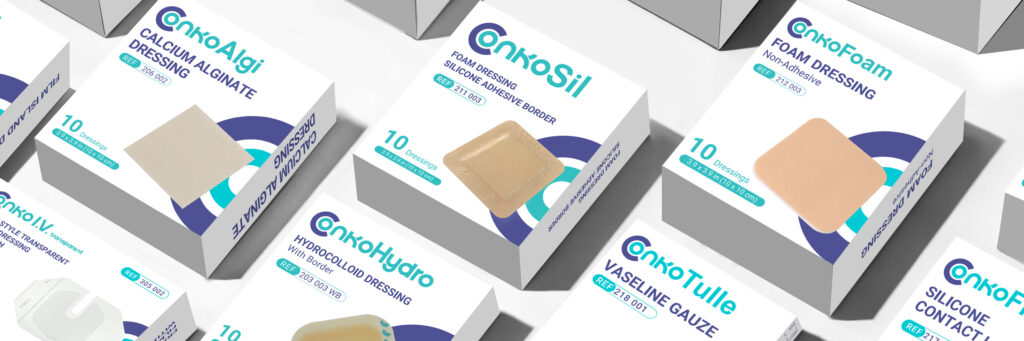
Conkote is committed to supporting patients, families, and caregivers with dressings that combine advanced performance, comfort, and ease-of-use. From silicone foam to Calcium Alginate dressings and gentle fixation solutions, Conkote products are designed to make home wound care safer, more comfortable, and easier to manage. By simplifying daily routines and reducing pain or trauma during dressing changes, Conkote empowers both patients and caregivers to achieve better healing outcomes — even outside the hospital.