

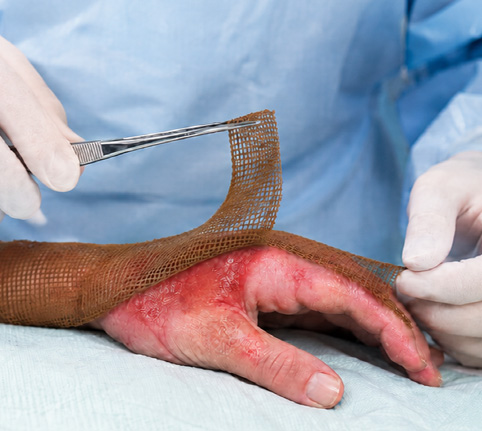
Burn wound care does not end after the initial injury is stabilized.
As discussed in previous articles in this series, burn wounds are dynamic injuries. Their severity, exudate levels, and risk of complications can change throughout the healing process. While early intervention helps limit further tissue damage, ongoing wound management is essential to support recovery and reduce treatment burden.
At this stage, dressing selection becomes an important component of burn wound management.
Modern burn dressings are no longer viewed simply as wound coverings. They are designed to help maintain an optimal healing environment, manage exudate, protect vulnerable tissue, and support patient comfort throughout treatment.
Why dressing selection matters
Burn wounds present a unique set of clinical challenges.
Depending on burn depth and healing stage, clinicians may need to address moisture balance, exudate management, infection risk, tissue protection, and pain associated with dressing changes.
No single dressing is suitable for every burn wound.
Instead, dressing selection should be based on the condition of the wound and the clinical objectives at each stage of healing.
An appropriate dressing can help support wound stability, while inappropriate dressing choices may increase dressing change frequency, compromise patient comfort, and create additional challenges during treatment.
Supporting superficial and low-exudate burns
Superficial burns and selected superficial partial-thickness burns often require protection and moisture retention while the skin undergoes re-epithelialization.
In these situations, maintaining a moist wound environment can help support cellular activity and protect newly forming tissue from unnecessary disruption.
Hydrogel dressings are commonly used when hydration support is needed, particularly in dry or minimally exuding wounds.
Recommended Conkote Solution
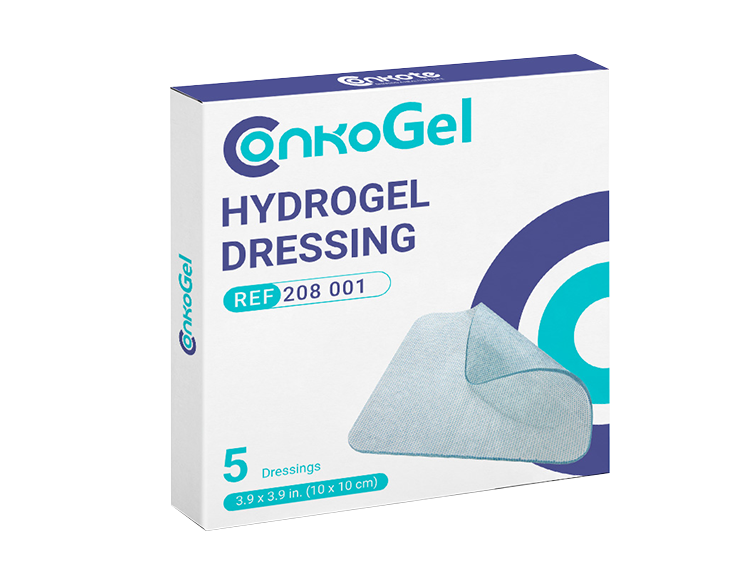
Helps maintain moisture balance and supports a favorable wound healing environment
Managing exudate in partial-thickness burns
As burn depth increases, exudate production often becomes a greater concern.
Partial-thickness burns may produce moderate levels of wound fluid that require effective absorption while maintaining an appropriate healing environment. Excessive moisture can contribute to maceration, while inadequate moisture may impair healing progression.
Foam dressings are widely used in burn care because they combine absorbency with cushioning and tissue protection.
Recommended Conkote Solutions
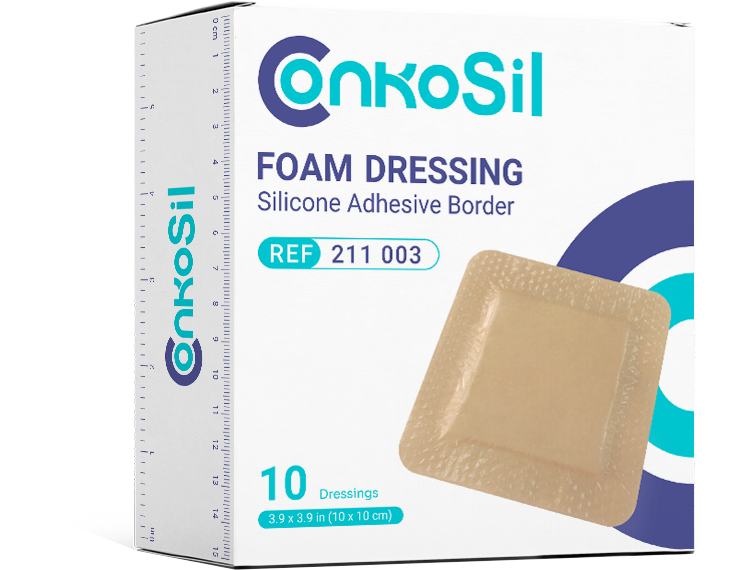
ConkoSil Foam Dressing Silicone Adhesive Border
Absorbs exudate while supporting atraumatic dressing removal
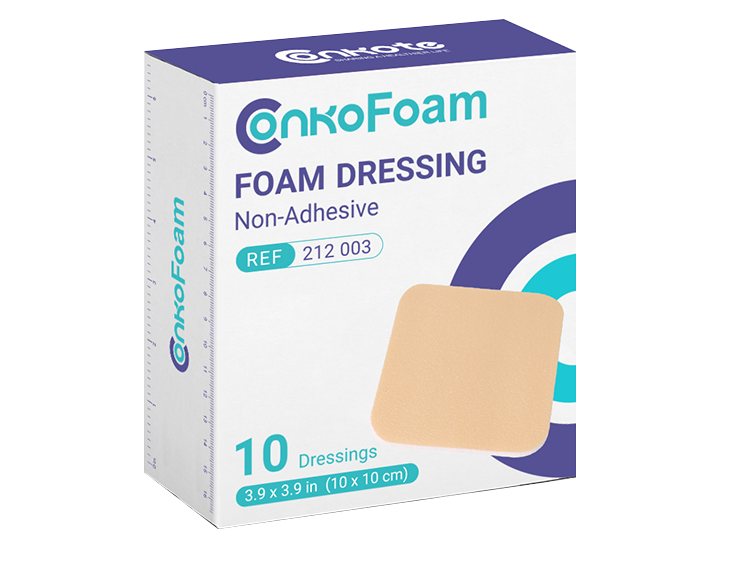
ConkoFoam Foam Dressing Non-Adhesive
Helps maintain moisture balance and manage moderate wound exudate
Supporting infection-prone burn wounds
Infection remains one of the most significant concerns in burn wound management.
As the skin barrier is compromised, burn wounds may become more susceptible to microbial contamination. In situations where infection risk is elevated, antimicrobial dressings may be incorporated into the wound care plan to support local wound management.
Silver-containing dressings are commonly used in burn care because of their broad antimicrobial properties and ability to support a controlled wound environment.
Recommended Conkote Solutions
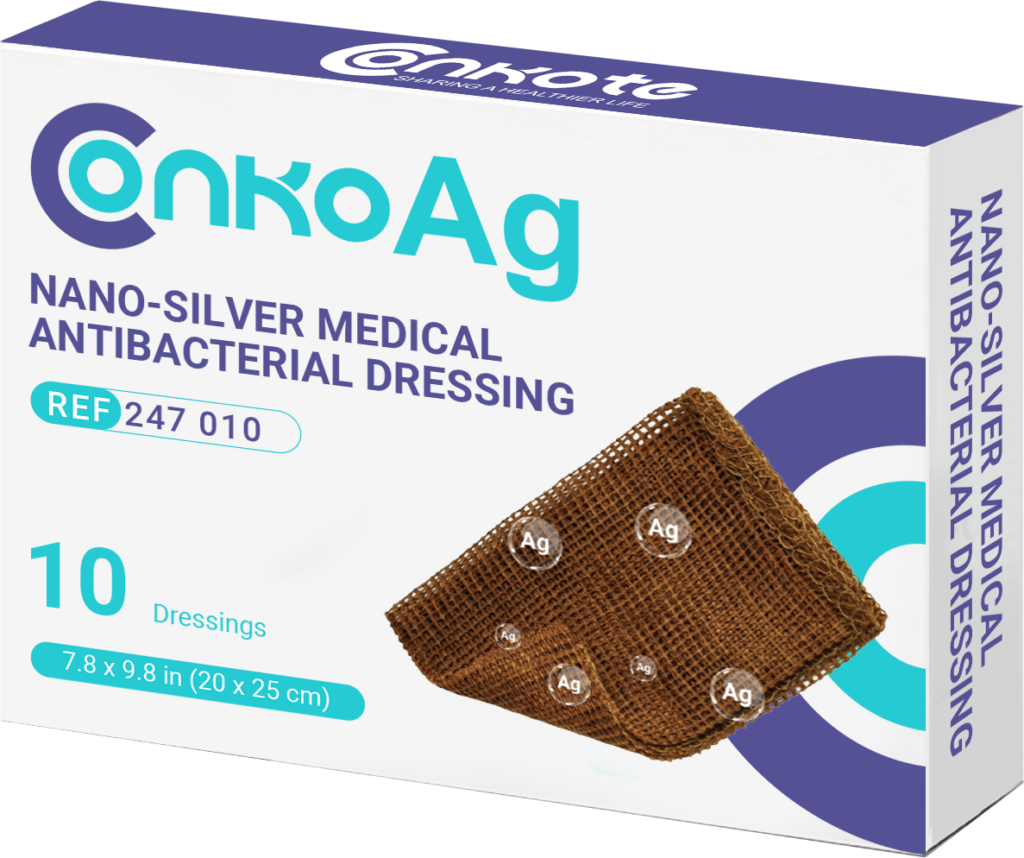
ConkoAg Nano-Silver Medical Antibacterial Dressing
Supports antimicrobial management while maintaining a moist wound environment
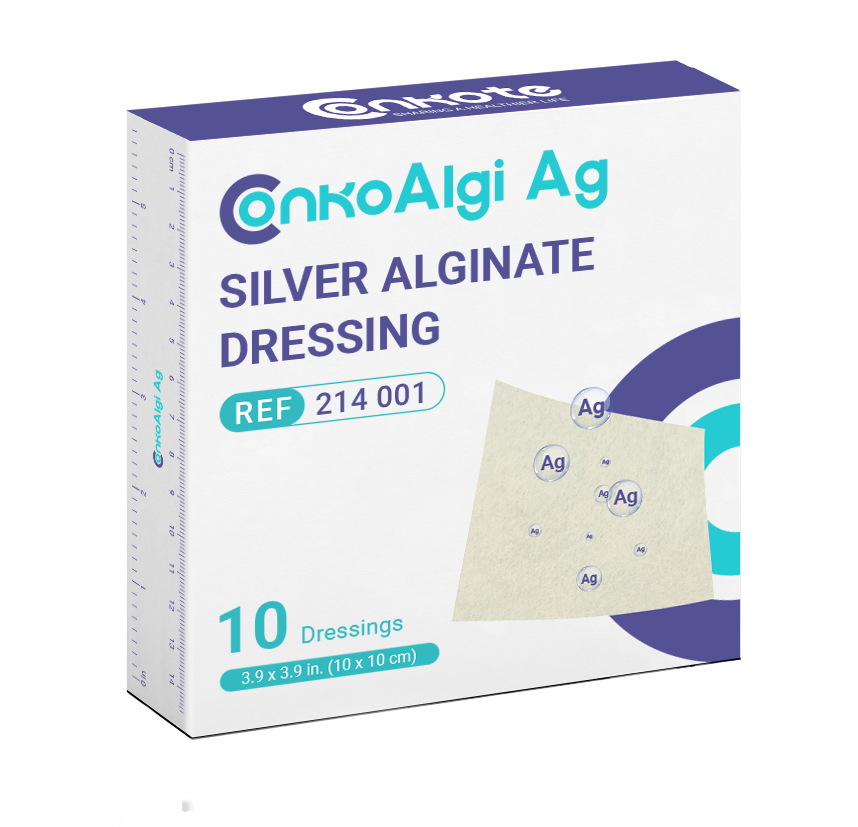
ConkoAlgi Ag Silver Alginate Dressing
Combines absorbency with antimicrobial support for exuding wounds
Dressing selection and treatment efficiency
The impact of dressing selection extends beyond wound coverage alone.
An effective dressing strategy can influence multiple aspects of burn wound management, including wound stability, intervention frequency, patient comfort, and overall treatment efficiency.
Frequent dressing changes may increase nursing workload, disrupt newly formed tissue, and contribute to pain during recovery. Likewise, inadequate moisture control or poor exudate management may create additional challenges that prolong treatment.
For this reason, modern burn care increasingly focuses on maintaining a stable wound environment that supports predictable healing while minimizing unnecessary intervention.
When dressings are selected according to wound needs, they may contribute to:
- Reduced dressing change frequency
- Improved exudate management
- Better protection of fragile tissue
- Enhanced patient comfort
- More efficient use of clinical resources
The objective is not simply to cover the wound, but to support a healing environment that allows recovery to progress as efficiently as possible.
Conclusion
Burn dressing selection plays an important role throughout the wound healing journey.
Different burn wounds require different levels of moisture management, exudate control, tissue protection, and infection support. By matching dressing function to wound needs, clinicians can help create a more stable environment for healing while reducing the overall burden of care.
As burn wound management continues to evolve, dressing selection remains a key factor in supporting both clinical outcomes and treatment efficiency.