


Diabetic foot ulcers (DFUs) are one of the most serious complications associated with diabetes. These chronic wounds can significantly impact patients’ quality of life and may lead to severe complications if not identified and managed appropriately.
A diabetic foot ulcer often begins with a small injury that goes unnoticed. However, due to underlying conditions associated with diabetes—including nerve damage, poor circulation, and impaired immune response—these wounds may fail to heal normally and develop into chronic wounds.
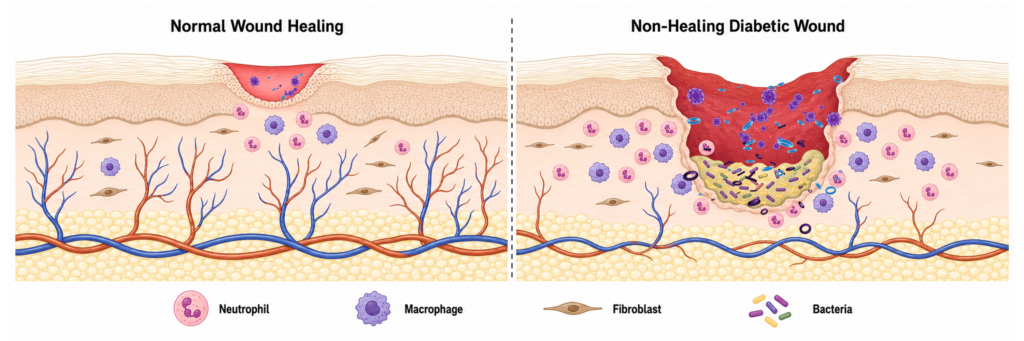
Unlike acute wounds that typically progress through predictable healing phases, diabetic foot ulcers may remain in a prolonged inflammatory state, creating additional challenges for wound closure and increasing the risk of infection.
Early recognition, comprehensive wound assessment, and appropriate wound management strategies are essential for supporting better healing outcomes.
In this article, we will explore what diabetic foot ulcers are, why they develop, the major risk factors, and why these wounds require specialized care.
What Is a Diabetic Foot Ulcer?
A diabetic foot ulcer is an open wound or area of skin breakdown that occurs on the foot of a person with diabetes.
These wounds commonly develop in areas exposed to repeated pressure, friction, or unnoticed trauma, including:
- The bottom of the foot (plantar surface)
- The heel
- The toes
- Areas affected by pressure from footwear or foot deformities
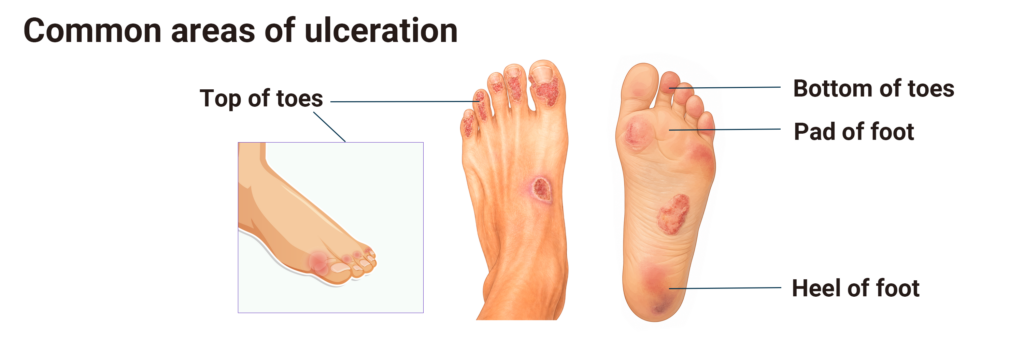
Small injuries that would normally heal in healthy individuals may become chronic wounds in patients with diabetes due to impaired healing mechanisms.
For this reason, regular foot assessment and early intervention are important components of diabetic foot care.
Why Do Diabetic Foot Ulcers Develop?
The development of diabetic foot ulcers is usually caused by multiple factors working together. The three major contributors include peripheral neuropathy, poor circulation, and impaired immune response.
1. Peripheral Neuropathy: Loss of Protective Sensation
Peripheral neuropathy is one of the most common contributing factors in diabetic foot ulcer development.
Long-term diabetes can damage nerves in the feet, reducing the ability to feel pain, pressure, and temperature changes.
When protective sensation decreases, patients may not recognize early signs of injury, such as:
- Small cuts
- Blisters
- Minor burns
- Pressure-related skin damage
Without timely detection and treatment, these minor injuries may gradually worsen and develop into chronic wounds.
Regular foot examination is therefore an important step in identifying potential problems before they progress.
2. Poor Circulation and Reduced Oxygen Supply
Adequate blood circulation is essential for wound healing because it delivers oxygen, nutrients, and immune cells to damaged tissue.
However, diabetes may contribute to vascular complications that reduce blood flow to the lower extremities.
Poor circulation can result in:
- Reduced oxygen delivery to wound tissue
- Limited nutrient supply
- Slower tissue repair
- Delayed wound closure
When blood supply is compromised, wounds may require more comprehensive management and closer monitoring.
3. Impaired Immune Response and Increased Infection Risk
Diabetes can affect the body’s ability to respond effectively to infection.
Elevated blood glucose levels may influence immune function and create an environment where bacteria can multiply more easily.
As a result, diabetic foot wounds have an increased risk of:
- Higher bacterial burden
- Local infection
- Wound deterioration
Early recognition of infection signs and appropriate wound management are important in reducing potential complications.
Key Risk Factors for Developing Diabetic Foot Ulcers
Not every person with diabetes will develop a foot ulcer. However, certain conditions can significantly increase the risk.
Common risk factors include:
| Risk Factor | Impact on Wound Development |
|---|---|
| Peripheral neuropathy | Reduces awareness of injuries and pressure damage |
| Poor circulation | Limits oxygen and nutrient delivery to tissues |
| Previous foot ulcers | Increases the likelihood of recurrence |
| Foot deformities | Creates areas of increased pressure |
| Poor blood glucose control | May negatively affect healing processes |
| Inadequate foot inspection | Allows minor injuries to progress unnoticed |
Why Are Diabetic Foot Ulcers Difficult to Heal?
Diabetic foot ulcers are considered complex chronic wounds because diabetes affects multiple stages of the normal healing process.
1. Prolonged Inflammation
Normal wound healing involves several coordinated phases:
- Inflammation
- Tissue formation
- Remodeling
However, diabetic wounds may remain in the inflammatory phase for an extended period.
This prolonged inflammatory response can interfere with normal tissue repair and delay wound closure.
2. Increased Infection Risk
Because diabetic foot ulcers often heal slowly, they may remain open for longer periods, increasing exposure to bacteria.
Healthcare professionals monitor wounds carefully for changes such as:
- Increased drainage
- Odor
- Changes in wound appearance
- Surrounding skin changes
Early identification of infection risk is an important part of diabetic wound management.
3. Challenges in Maintaining Moisture Balance
Maintaining an optimal wound environment is an important principle in advanced wound care.
Excessive moisture may contribute to:
- Periwound skin maceration
- Skin breakdown
Insufficient moisture may interfere with cellular activity and delay healing.
Therefore, wound management strategies should consider the wound condition, exudate level, and overall healing objectives.
The Importance of Early Assessment and Proper Wound Management
Effective diabetic foot ulcer management begins with comprehensive wound assessment.
Because diabetic foot ulcers are complex wounds, healthcare professionals evaluate multiple factors to understand the condition of the wound and determine an appropriate management approach.
Wound Characteristics
Assessment may include:
- Wound size
- Wound depth
- Tissue condition
- Amount of exudate
- Wound edge appearance
Infection Risk
Healthcare professionals monitor for potential signs of complications, including:
- Increased drainage
- Changes in wound condition
- Signs of inflammation
- Tissue deterioration
Early assessment helps healthcare providers identify wound changes, adjust care strategies, and support better healing outcomes.
A Comprehensive Approach to Diabetic Foot Ulcer Management
Diabetic foot ulcers require more than treating the wound surface alone.
Successful management often involves a comprehensive approach that addresses multiple factors, including:
- Regular foot assessment
- Pressure management
- Blood glucose control
- Infection prevention
- Appropriate wound care strategies
By identifying risks early and applying evidence-based wound care principles, healthcare professionals can help reduce complications and support the healing process.
Conclusion
Diabetic foot ulcers are complex chronic wounds influenced by multiple factors, including nerve damage, poor circulation, and impaired healing responses.
Understanding the causes, risk factors, and healing challenges associated with diabetic foot ulcers is the first step toward effective prevention and management.
Early assessment and appropriate wound care strategies play an important role in supporting better outcomes for patients with diabetic foot wounds.
In the next article of our Diabetic Foot Ulcer Management Series, we will explore clinical assessment and management strategies, including wound bed preparation, wound evaluation, and key principles for supporting diabetic wound healing.